Virginia window tint law
In Virginia, a passenger car's front side windows must let in at least 50% of light; rear side windows: at least 35% of light in; rear window: at least 35% of light in. Source: Code of Virginia §46.2-1052 (as amended 2026, c. 894), checked November 2026.
| Front side windows | 50% At least 50% light transmittance; reflectance 20% or less. |
|---|---|
| Rear side windows | 35% At least 35% light transmittance; reflectance 20% or less. |
| Rear window | 35% At least 35% light transmittance; reflectance 20% or less. |
| Windshield | No film except to replace the factory sunshield in the uppermost area; clear film meeting FMVSS 205 is allowed. |
| Tolerance | Police meter readings get a tolerance of minus 7 percentage points. |
| SUVs, vans, trucks | Multipurpose passenger vehicles and pickups may go below 35% on rear side and rear windows. |
| Medical exemption | Yes: medical exemption under §46.2-1053 (referenced in §46.2-1052(D)). |
The Virginia front-side limit on a car
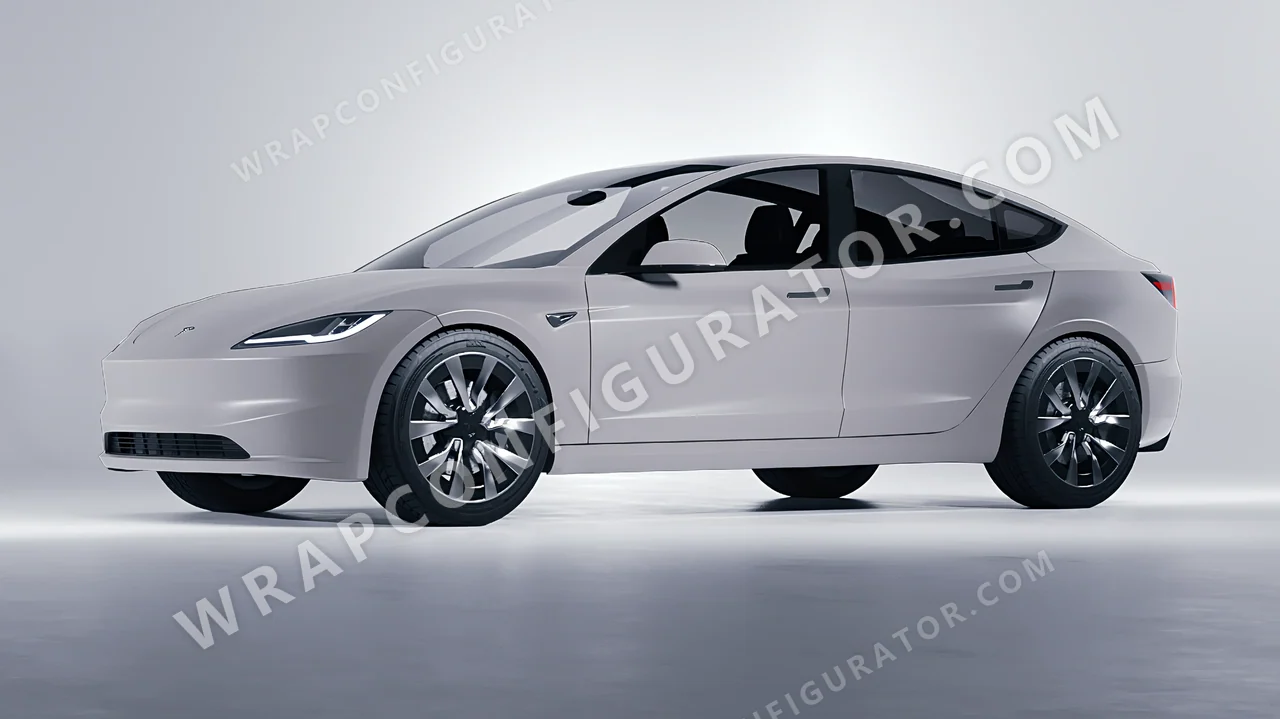
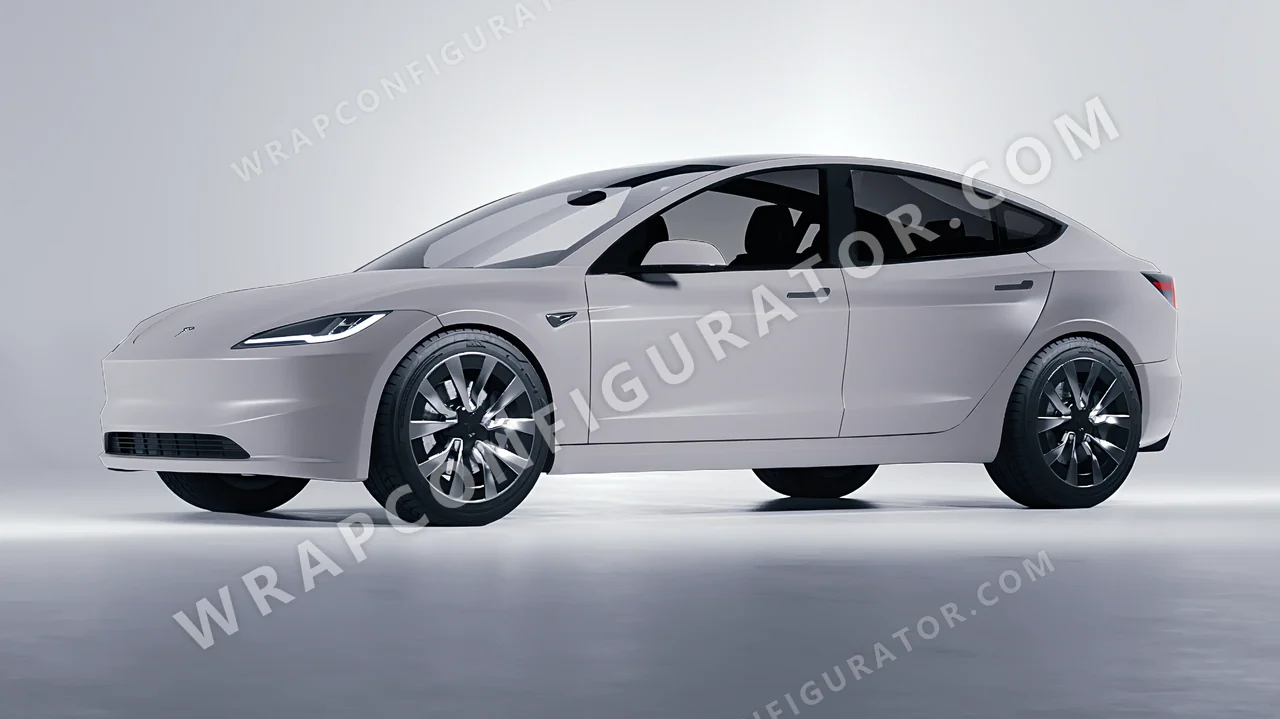
Levels we picture that meet the front-side limit: 70% (light)50% (medium-light)
Source
Code of Virginia §46.2-1052 (as amended 2026, c. 894)
“No sun-shading or tinting films may be applied or affixed to the front side windows of any motor vehicle ... that reduce total light transmittance of such window to less than 50 percent;”
Checked November 2026. A summary of the passenger-car rules, not legal advice: laws change, so check the source or ask a local tint shop before you buy.
Other states
AlabamaAlaskaArizonaCaliforniaColoradoConnecticutDelawareDistrict of ColumbiaFloridaHawaiiIdahoIllinoisIndianaIowaKansasKentuckyLouisianaMaineMarylandMassachusettsMichiganMinnesotaMississippiMissouriMontanaNebraskaNevadaNew HampshireNew MexicoNew YorkNorth CarolinaNorth DakotaOhioOklahomaPennsylvaniaSouth CarolinaSouth DakotaTexasUtahVermontWashingtonWest VirginiaWisconsinWyoming All states in one table