Utah window tint law
In Utah, a passenger car's front side windows must let in at least 35% of light; rear side windows: any darkness with outside mirrors on both sides; rear window: any darkness with outside mirrors on both sides. Source: Utah Code §41-6a-1635 as amended by H.B. 112 (2025), effective May 7, 2025 (also Utah Highway Patrol: https://uhp.utah.gov/safety-inspection/window-tint-requirements/), checked November 2026.
| Front side windows | 35% At least 35% light transmittance, with a 5% variance when metered by an officer. No metallic or mirrored look. |
|---|---|
| Rear side windows | Any darkness Any darkness (nontransparent material allowed); left and right mirrors required. |
| Rear window | Any darkness Any darkness (nontransparent material allowed); left and right mirrors required. |
| Windshield | At least 70% light. Nontransparent material only along the top edge (4 inches or the AS-1 line, whichever is lowest) or in a 3x4-inch lower-left corner. |
| Tolerance | 5% variance on front side windows |
The Utah front-side limit on a car
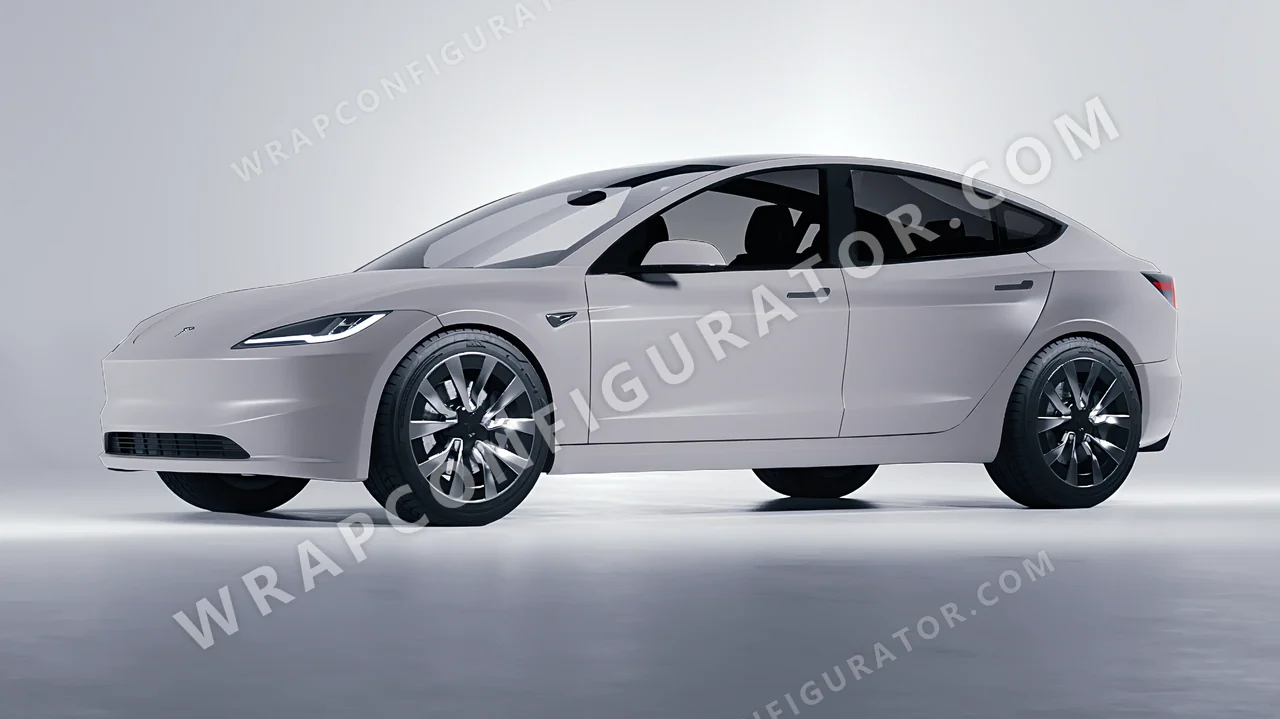
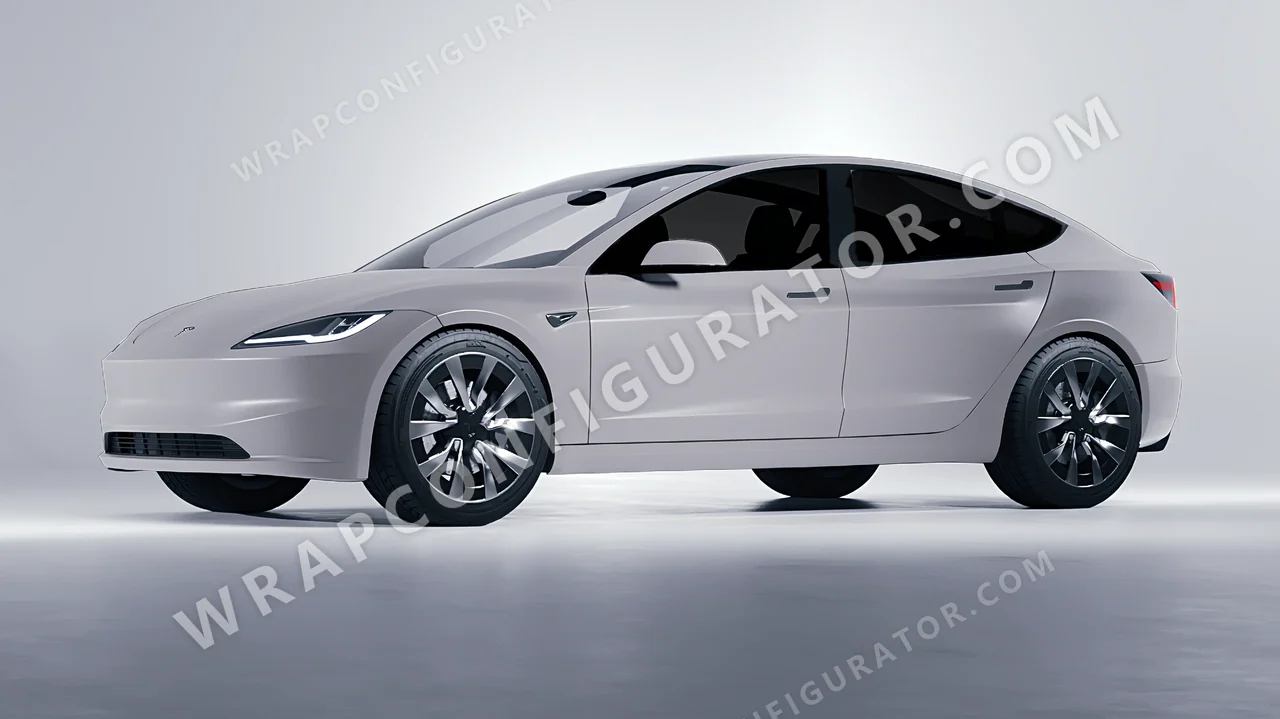
Levels we picture that meet the front-side limit: 70% (light)50% (medium-light)35% (medium)
Source
“(b) a front side window that allows less than 35% light transmittance, with no more than a 5% variance observed by a peace officer metering the light transmittance;”
Checked November 2026 (read from an archived copy of the official page). A summary of the passenger-car rules, not legal advice: laws change, so check the source or ask a local tint shop before you buy.
Other states
AlabamaAlaskaArizonaCaliforniaColoradoConnecticutDelawareDistrict of ColumbiaFloridaHawaiiIdahoIllinoisIndianaIowaKansasKentuckyLouisianaMaineMarylandMassachusettsMichiganMinnesotaMississippiMissouriMontanaNebraskaNevadaNew HampshireNew MexicoNew YorkNorth CarolinaNorth DakotaOhioOklahomaPennsylvaniaSouth CarolinaSouth DakotaTexasVermontVirginiaWashingtonWest VirginiaWisconsinWyoming All states in one table