Indiana window tint law
In Indiana, a passenger car's front side windows must let in at least 30% of light; rear side windows: any darkness; rear window: at least 30% of light in. Source: Indiana Code §9-19-19-4 (Indiana Code 2026, Title 9), checked November 2026.
| Front side windows | 30% Front door windows: at least 30% light transmittance; reflectance no more than 25%. |
|---|---|
| Rear side windows | Any darkness No % limit: the statute covers only the windshield, front door windows and the rear back window. |
| Rear window | 30% At least 30% light transmittance; reflectance no more than 25%. |
| Windshield | Tint (meeting the 30% / 25% reflectance rule) only on the uppermost part, no lower than the AS-1 line. |
| SUVs, vans, trucks | Factory tint that complies with FMVSS 205 is exempt (proof must be carried in the vehicle). |
| Medical exemption | Yes: physician or optometrist certificate, renewed annually and carried in the vehicle. |
The Indiana front-side limit on a car
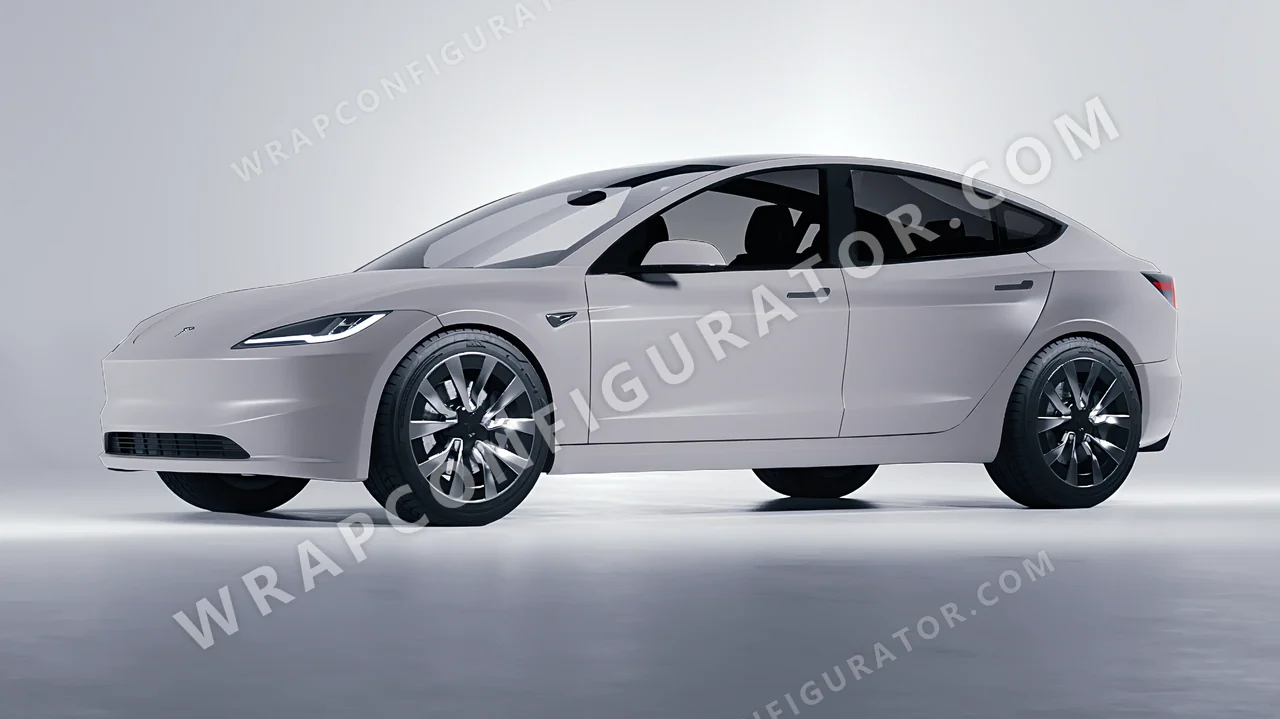
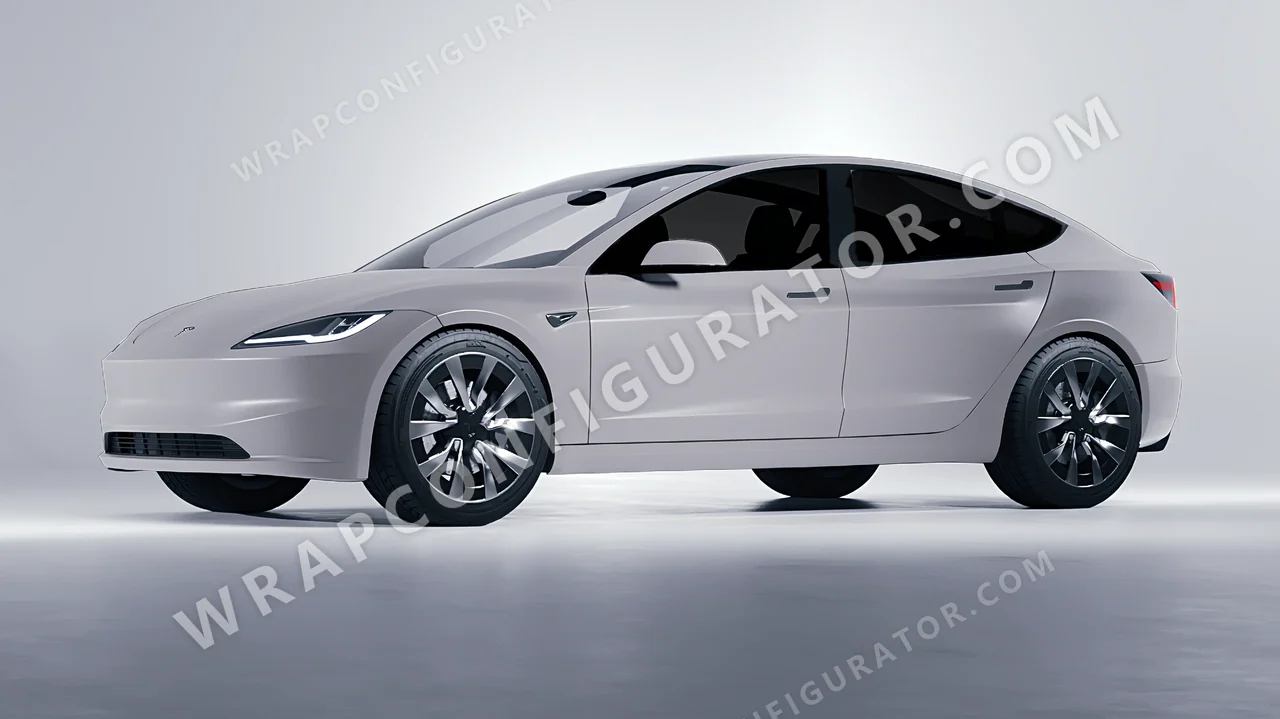
Levels we picture that meet the front-side limit: 70% (light)50% (medium-light)35% (medium)
Source
Indiana Code §9-19-19-4 (Indiana Code 2026, Title 9)
“tinted with material that has a total solar reflectance of visible light of more than twenty-five percent (25%) as measured on the nonfilm side and light transmittance of less than thirty percent (30%) in the visible light range.”
Checked November 2026. A summary of the passenger-car rules, not legal advice: laws change, so check the source or ask a local tint shop before you buy.
Other states
AlabamaAlaskaArizonaCaliforniaColoradoConnecticutDelawareDistrict of ColumbiaFloridaHawaiiIdahoIllinoisIowaKansasKentuckyLouisianaMaineMarylandMassachusettsMichiganMinnesotaMississippiMissouriMontanaNebraskaNevadaNew HampshireNew MexicoNew YorkNorth CarolinaNorth DakotaOhioOklahomaPennsylvaniaSouth CarolinaSouth DakotaTexasUtahVermontVirginiaWashingtonWest VirginiaWisconsinWyoming All states in one table