Hawaii window tint law
In Hawaii, a passenger car's front side windows must let in at least 35% of light; rear side windows: any darkness with outside mirrors on both sides; rear window: any darkness with outside mirrors on both sides. Source: HRS §291-21.5 as amended by Act 129 (H.B. 226 CD1), SLH 2025, effective May 29, 2025, checked November 2026.
| Front side windows | 35% At least 35% light transmittance with the glass (plus or minus 6%). No mirrored/high-reflective red, yellow, amber or blue finish. |
|---|---|
| Rear side windows | Any darkness Exempt on sedans, vans, minivans, trucks and buses if the vehicle has rearview mirrors on both sides. |
| Rear window | Any darkness Exempt (any darkness) if the vehicle has rearview mirrors on both sides. |
| Windshield | Transparent film only along the top edge, not below the AS-1 line (or 4 inches from the top if no AS-1 mark); transparent material on the AS-1 portion must meet FMVSS 205. |
| Tolerance | plus or minus 6% |
The Hawaii front-side limit on a car
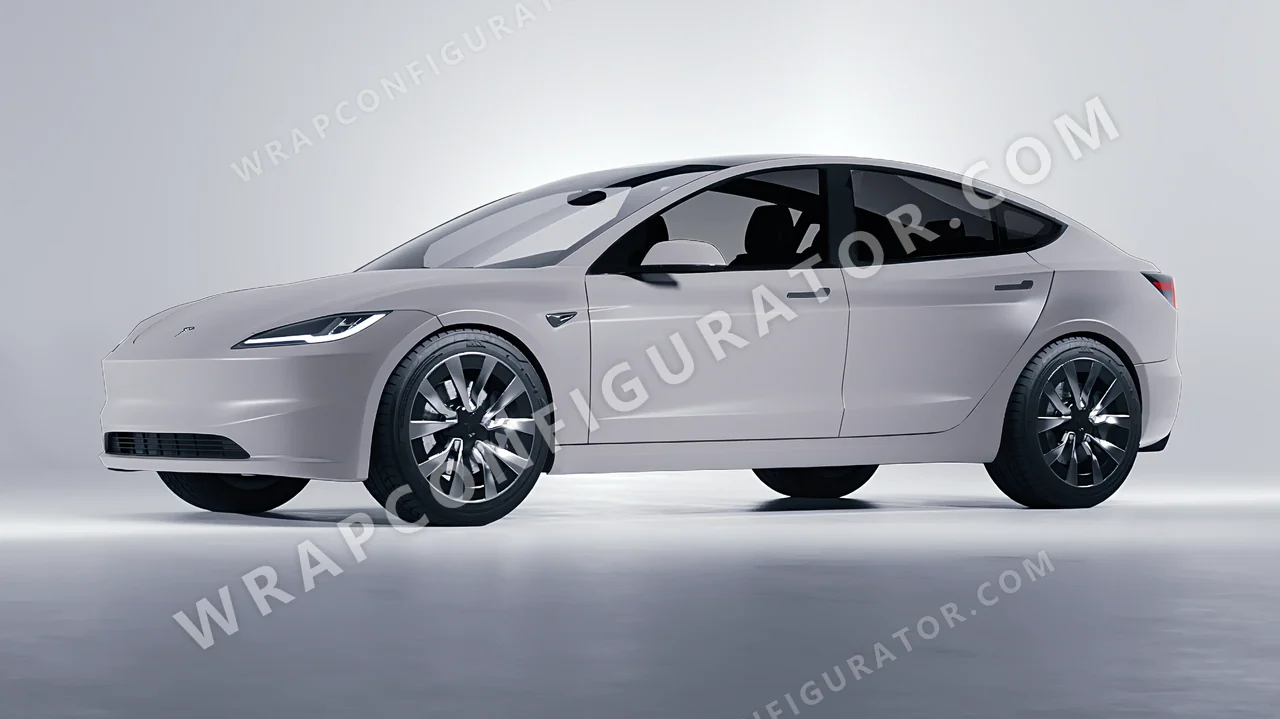
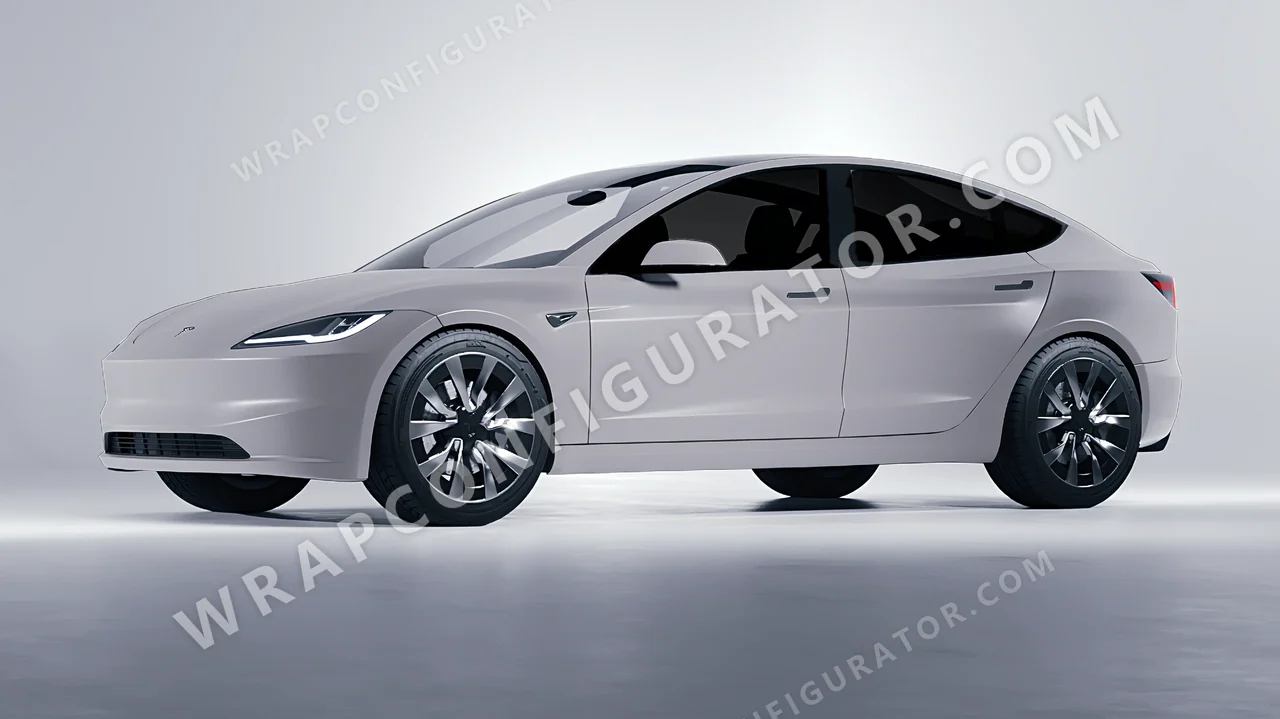
Levels we picture that meet the front-side limit: 70% (light)50% (medium-light)35% (medium)
Source
HRS §291-21.5 as amended by Act 129 (H.B. 226 CD1), SLH 2025, effective May 29, 2025
“Sun screening devices for front side wing vents and windows that, when used in conjunction with the glazing material, have a light transmittance of no less than thirty-five per cent plus or minus six per cent”
Checked November 2026 (read from an archived copy of the official page). A summary of the passenger-car rules, not legal advice: laws change, so check the source or ask a local tint shop before you buy.
Other states
AlabamaAlaskaArizonaCaliforniaColoradoConnecticutDelawareDistrict of ColumbiaFloridaIdahoIllinoisIndianaIowaKansasKentuckyLouisianaMaineMarylandMassachusettsMichiganMinnesotaMississippiMissouriMontanaNebraskaNevadaNew HampshireNew MexicoNew YorkNorth CarolinaNorth DakotaOhioOklahomaPennsylvaniaSouth CarolinaSouth DakotaTexasUtahVermontVirginiaWashingtonWest VirginiaWisconsinWyoming All states in one table