South Carolina window tint law
In South Carolina, a passenger car's front side windows must let in at least 27% of light; rear side windows: at least 27% of light in; rear window: at least 27% of light in. Source: S.C. Code §56-5-5015, checked November 2026.
| Front side windows | 27% At least 27% combined with factory tint; non-reflective. |
|---|---|
| Rear side windows | 27% At least 27% combined with factory tint; non-reflective. |
| Rear window | 27% At least 27% combined; dual outside mirrors required. |
| Windshield | Non-reflective tint only along the top, not below the AS1 line; if no AS1 line is visible, none allowed. Not red, yellow or amber. |
| SUVs, vans, trucks | Limits do not apply behind the driver on MPVs, trucks (except pickups), buses, RVs; pickups must still meet them. |
| Medical exemption | Yes: affidavit from an SC-licensed physician or optometrist, renewed every two years. |
The South Carolina front-side limit on a car
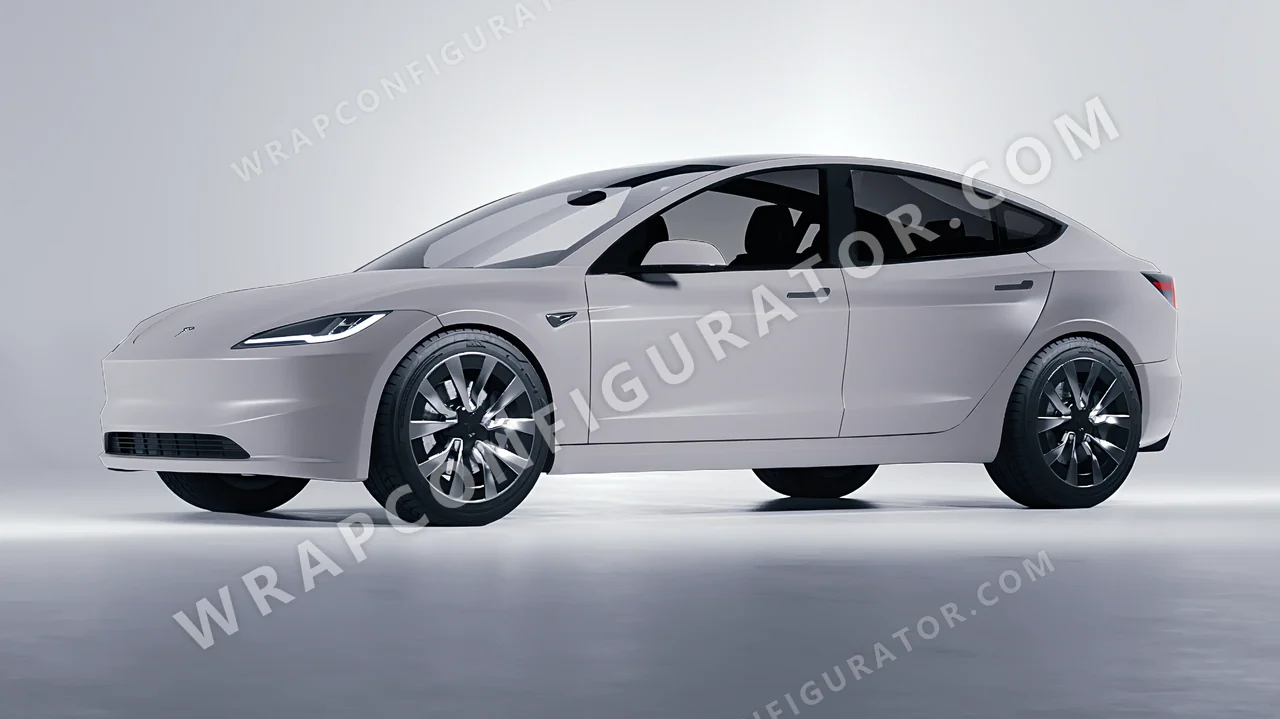
Levels we picture that meet the front-side limit: 70% (light)50% (medium-light)35% (medium)
Source
“The sunscreening device must be nonreflective and the combined light transmission of the sunscreening device with the factory or manufacturer installed sunscreening material must not be less than twenty-seven percent.”
Checked November 2026. A summary of the passenger-car rules, not legal advice: laws change, so check the source or ask a local tint shop before you buy.
Other states
AlabamaAlaskaArizonaCaliforniaColoradoConnecticutDelawareDistrict of ColumbiaFloridaHawaiiIdahoIllinoisIndianaIowaKansasKentuckyLouisianaMaineMarylandMassachusettsMichiganMinnesotaMississippiMissouriMontanaNebraskaNevadaNew HampshireNew MexicoNew YorkNorth CarolinaNorth DakotaOhioOklahomaPennsylvaniaSouth DakotaTexasUtahVermontVirginiaWashingtonWest VirginiaWisconsinWyoming All states in one table