Colorado window tint law
In Colorado, a passenger car's front side windows must let in at least 27% of light; rear side windows: at least 27% of light in; rear window: at least 27% of light in. Source: C.R.S. §42-4-227 (Colorado Revised Statutes 2024, Title 42; last amended 2021), checked November 2026.
| Front side windows | 27% Must allow at least 27% light. No metallic or mirrored appearance. |
|---|---|
| Rear side windows | 27% At least 27%, unless the front side windows and windshield allow at least 70% light, in which case windows behind the driver may be darker. |
| Rear window | 27% At least 27%, unless the front side windows and windshield allow at least 70% light, in which case it may be darker. |
| Windshield | Must allow at least 70% light. A nonreflective, non-red/amber strip is allowed on the top 4 inches. |
| Medical exemption | §42-4-227 contains no medical exemption. |
The Colorado front-side limit on a car
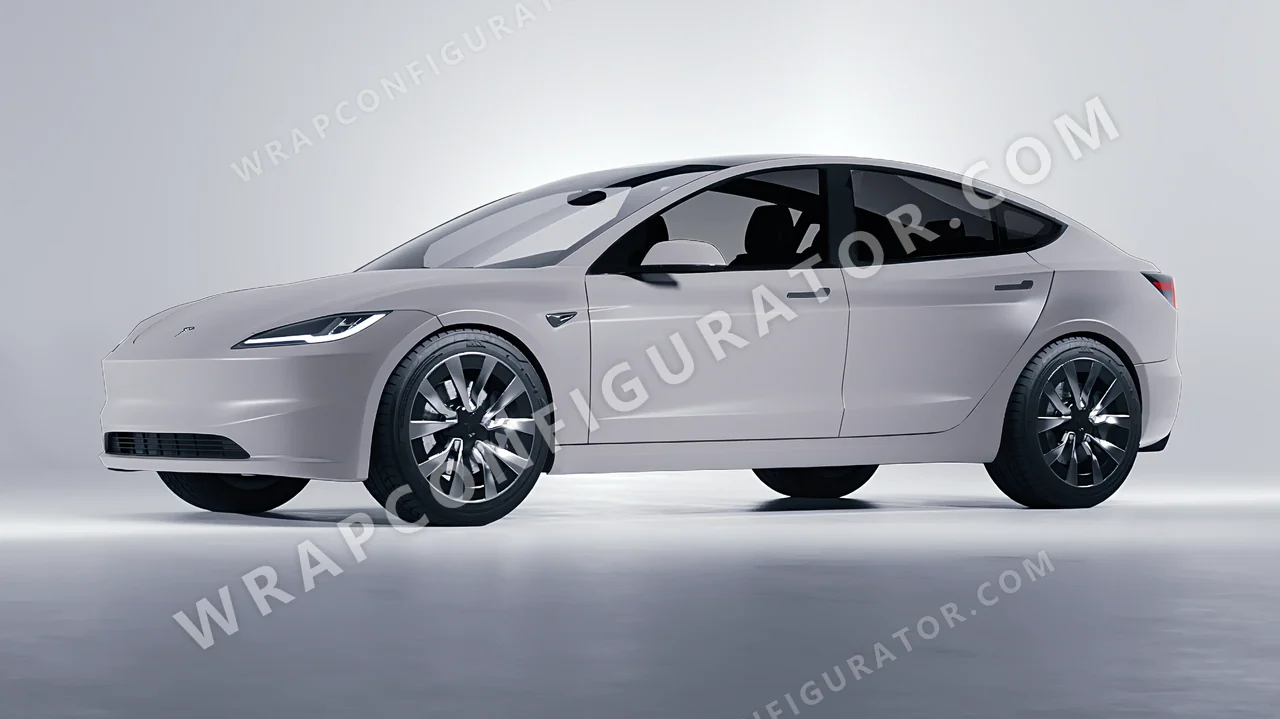
Levels we picture that meet the front-side limit: 70% (light)50% (medium-light)35% (medium)
Source
C.R.S. §42-4-227 (Colorado Revised Statutes 2024, Title 42; last amended 2021)
“any window, except the windshield, is composed of, covered by, or treated with any material or component that presents an opaque, nontransparent, or metallic or mirrored appearance in such a way that it allows less than twenty-seven percent light transmittance.”
Checked November 2026 (read from an archived copy of the official page). A summary of the passenger-car rules, not legal advice: laws change, so check the source or ask a local tint shop before you buy.
Other states
AlabamaAlaskaArizonaCaliforniaConnecticutDelawareDistrict of ColumbiaFloridaHawaiiIdahoIllinoisIndianaIowaKansasKentuckyLouisianaMaineMarylandMassachusettsMichiganMinnesotaMississippiMissouriMontanaNebraskaNevadaNew HampshireNew MexicoNew YorkNorth CarolinaNorth DakotaOhioOklahomaPennsylvaniaSouth CarolinaSouth DakotaTexasUtahVermontVirginiaWashingtonWest VirginiaWisconsinWyoming All states in one table